Most corporate video production in the UK costs between £1,500 and £30,000, and the majority of business films land in the £3,000 to £10,000 bracket. A single interview filmed in one morning sits near the bottom of that range. A multi-day brand campaign with a full crew, several locations and animated graphics sits at the top.
That spread is unhelpfully wide if you are trying to plan. So this guide does two things. It sets out the typical price bands for different kinds of corporate video, and it explains the factors behind those numbers, including crew day rates and the much-quoted cost per minute, so you can judge a quote on its merits rather than its headline figure.
Corporate Video Production Cost in the UK at a Glance
Here are the price bands we see most often across the UK market. Treat them as a starting point, since your final figure depends on the brief, the production company and where the work is filmed.
| Type of corporate video | Typical UK cost |
| Single interview or simple promo (one filming day) | £1,500 to £4,000 |
| Standard corporate or brand film | £4,000 to £10,000 |
| Premium multi-day or multi-location production | £10,000 to £30,000 |
| Large campaign or ongoing series | £30,000 and above |
London tends to sit at the higher end of each band. Regional studios and crews often quote a little lower, though the gap has narrowed as good talent has spread across the country.
What Affects the Cost of a Corporate Video?
The video pricing factors below explain why two films of the same length can differ in price many times over.
- Pre-production and planning. Scripting, storyboards, casting and scheduling take time. Skip this stage and you save money upfront, then usually pay for it on the shoot.
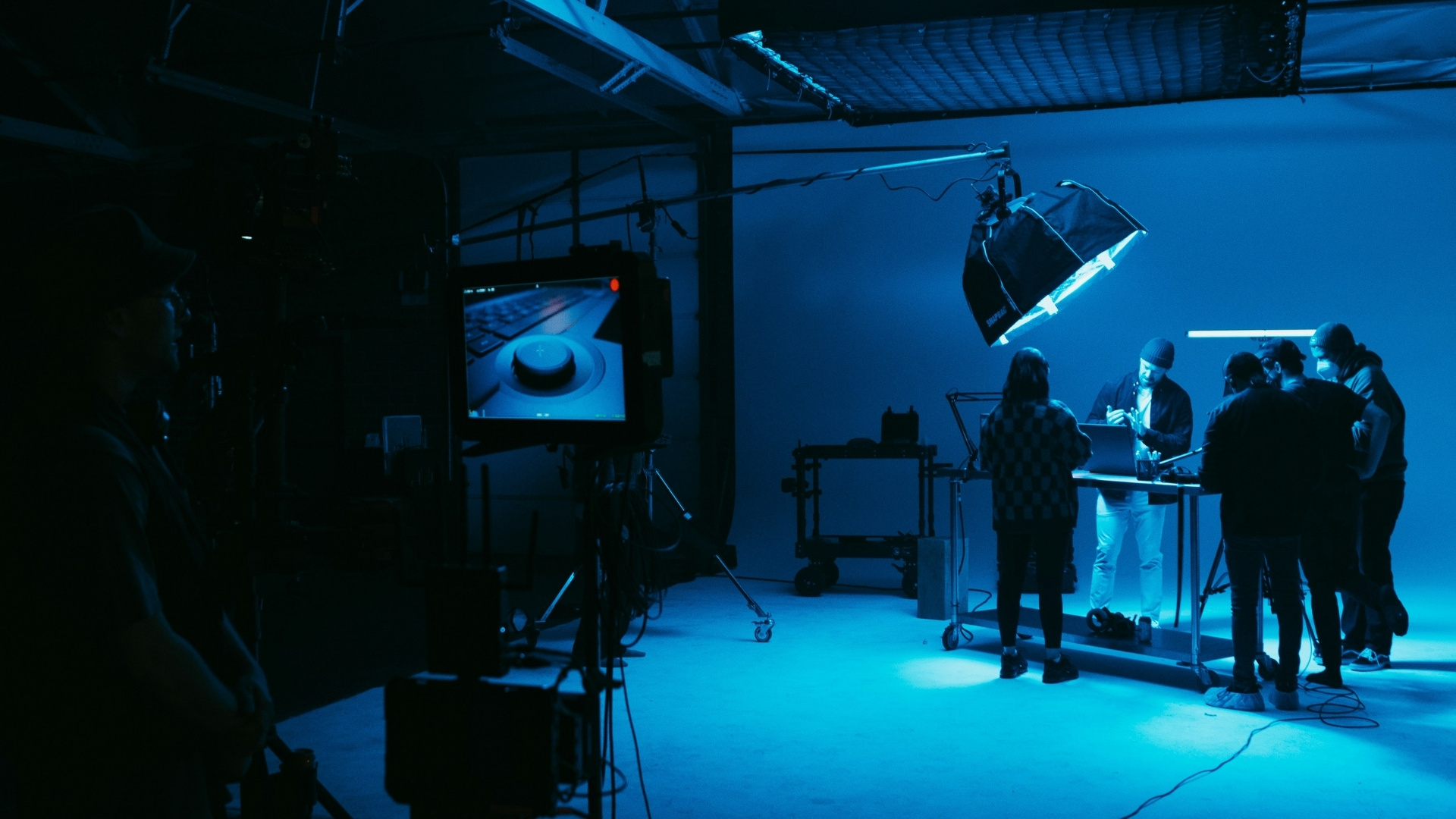
- Crew size and seniority. One person covering every role costs far less than a director, camera operator and sound recordist working together. The difference shows on screen.
- Filming days. Each extra day adds crew fees, equipment hire and travel. A tight, well-planned schedule is one of the easiest ways to control the total.
- Locations. Filming across several sites, or in venues that charge for access, raises both cost and complexity compared with a single controlled space.
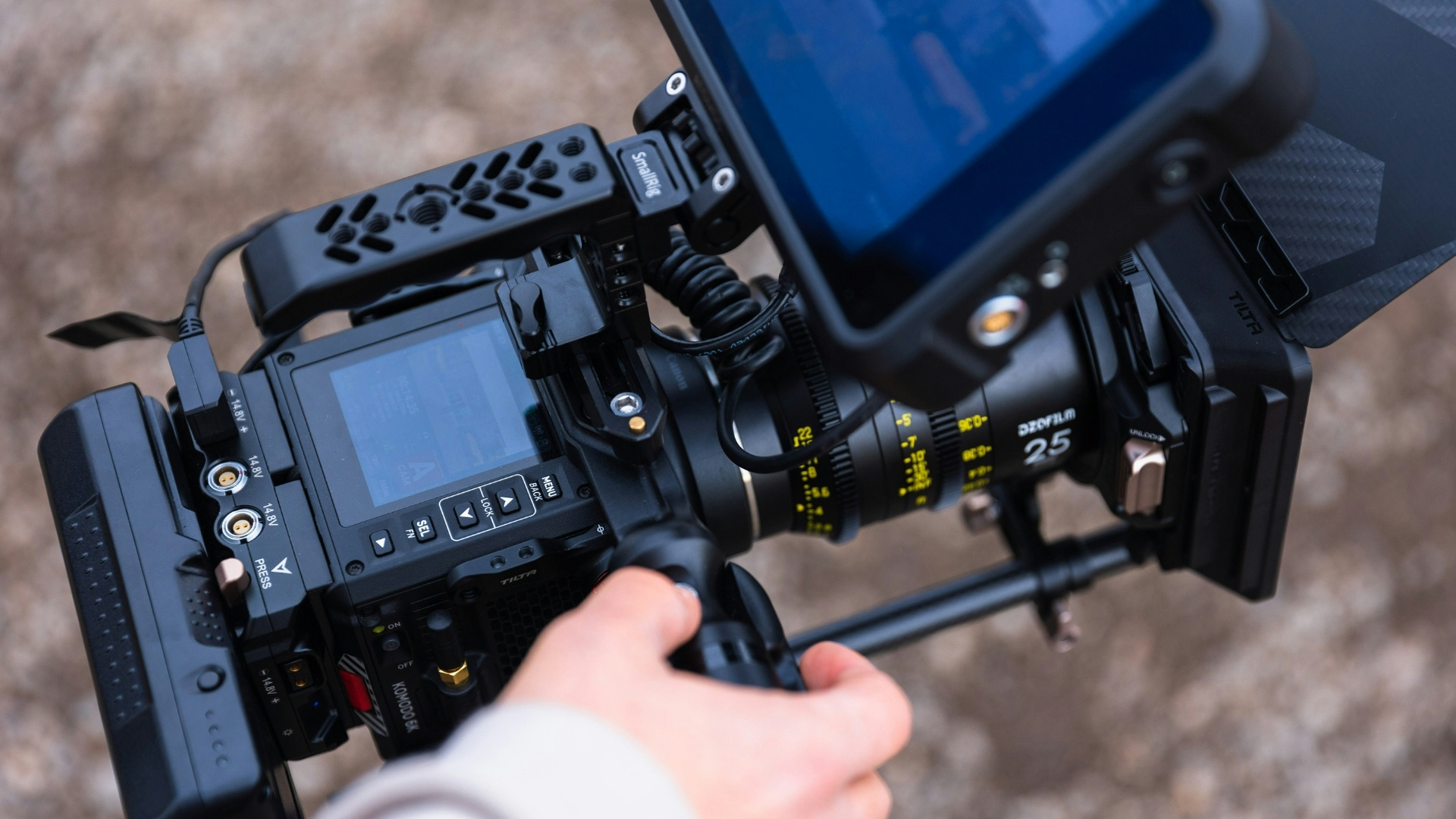
- Equipment. Cinema cameras, professional lighting, audio kit and drone work all carry a price. The right setup depends on the look you need, not the most expensive option available.
- On-screen talent and voiceover. Professional presenters, actors and voice artists charge fees and, often, usage rights on top.
- Post-production. Editing, colour grading, sound design and motion graphics are where a lot of the value is built. Heavy animation can cost as much as the shoot itself.
- Music and licensing. Licensed tracks, stock footage and any paid distribution sit outside the core production fee and are easy to overlook.
- Revisions and delivery. Extra rounds of edits and multiple formats for different platforms add hours, so they belong in the quote from the start.
Videographer and Crew Day Rates
Much of any quote comes down to people and time. A solo videographer in the UK typically charges £400 to £900 per day, depending on experience and kit. Add a small crew, say a director, a camera operator and a sound recordist, and a day rate of £1,200 to £2,500 is normal. Specialist roles cost more: an experienced director of photography, or a drone operator who holds the CAA certification needed to fly commercially, will sit above those figures.
The videographer day rate matters because it shows what you are paying for. A quote built on a single freelancer covering every role will almost always be cheaper than one staffed by a dedicated crew. In most cases, it will also look it.
What Does Cost Per Minute of Video Mean?
You will often see corporate video priced as a cost per minute. As a rough guide, finished corporate video in the UK runs from around £1,000 to £5,000 or more per minute on screen. It is a tidy way to compare quotes, but it can mislead.
A polished 60-second advert with a scripted shoot, a presenter and motion graphics can cost more than a plain 10-minute internal training video filmed in an afternoon. Length is only loosely connected to effort. Use cost per minute of video as a sense check, never as the basis for a brief.
How to Set a Corporate Video Production Budget
Start with the objective, not the running time. A recruitment film built to attract skilled engineers carries different production values from a quick update for your existing team. Once you know what the video has to achieve, the budget tends to follow.
A few principles keep a video production budget realistic:
- Decide on a quality tier early. Match the production values to the audience and the stakes, rather than defaulting to the cheapest or the grandest option.
- Build in revisions. Agree how many rounds of edits are included so the final figure does not creep upward later.
- Think about how long the film will work for. A video that stays current for two years justifies more investment than a one-off clip with a short shelf life.
- Ask for an itemised quote. A clear breakdown of pre-production, filming, post-production and extras lets you see exactly where the money goes.
Is the Cheapest Option Ever the Right One?
Sometimes, yes. A simple, well-lit interview does not need a five-figure budget, and paying for one would be wasteful. The risk runs the other way too. A corporate film that looks rushed or amateur can undermine the very credibility it was meant to build, and that cost rarely appears on an invoice.
Our own view, as a video production company in Cambridge, is that the money is best spent on the films that influence a decision: the ones a prospective client, candidate or investor watches before they commit. Spend there, and keep routine internal content lean.
How to Get More From Your Budget
You can stretch a budget without cutting quality:
- Brief thoroughly before the shoot. Clear direction prevents the costly reshoots and rethinks that eat into a budget.
- Batch your filming. Capturing several videos across one or two days spreads the fixed costs of crew and setup across more content.
- Repurpose the footage. One shoot can produce a hero film, shorter social cuts and stills, which lowers the effective cost of each piece.
- Prioritise. Fund the videos that drive revenue or recruitment first, and treat the rest as a lower tier.
Frequently Asked Questions
How much does a two-minute corporate video cost in the UK?
A two-minute corporate video usually costs between £2,000 and £8,000. The figure depends on the number of filming days, the crew size and how much editing, graphics and music the final cut needs.
Why do corporate video prices vary so much?
Because the work behind them varies so much. Planning, crew, equipment, talent, locations and post-production each move the price up or down, so a quote reflects the scope of the project rather than a fixed rate.
Is it cheaper to hire a freelancer or an agency?
A freelance videographer usually costs less per day than a full agency, which suits straightforward projects. An agency brings a larger crew, more equipment and a managed process, which tends to pay off on work where the result carries real commercial weight.
Does the price include revisions?
Most reputable companies include one or two rounds of revisions in their quote. Check how many are covered, and what an extra round costs, before you sign anything.
How far in advance should I budget for a corporate video?
Allow a few weeks from brief to delivery for a standard film, and longer for multi-day or multi-location work. Building that time into your plan protects both quality and budget.
Plan Your Corporate Video
Planning a corporate video and want a clear, itemised quote? Talk to our team about corporate video production in Cambridge, and we will walk through your goals, timelines and budget.