
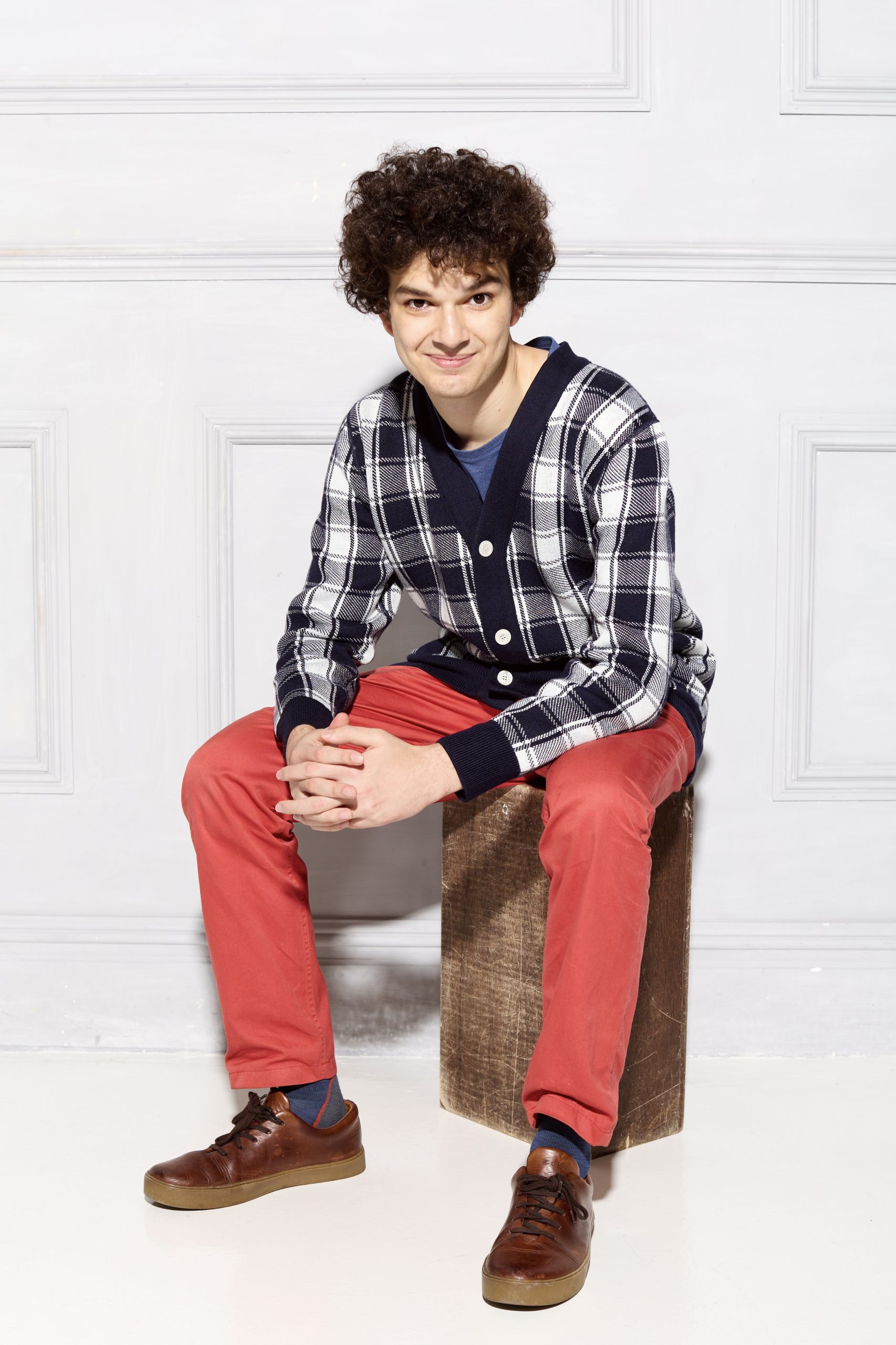
I’m George, and I founded Camber & Core.
I have been making films and photographs since I was thirteen, starting with my dad’s iPad. I filmed everything I could: holidays, my German Shepherd Coco, local events, Christmas lights and a D Day service. I am mostly self taught. My college media course focused heavily on essays and theory, so I developed the practical side online and through years of trial, error and free portrait shoots.Today, my work covers corporate films, brand content, photography, events, fashion and private galas, including work at venues such as The Dorchester. I work with a cinema camera and bring in trusted crew members when a project needs a larger team. I have also filmed fundraising events that helped raise money for Centrepoint and The Passage. I care about the details that shape the finished result: understanding the brief, planning carefully, framing with purpose and making sure each image earns its place. Away from work, I read history and philosophy and take an unusually keen interest in shipping logistics and artificial intelligence.
I have been making films since I was thirteen, starting with my dad’s iPad. I filmed everything I could: holidays, my German Shepherd Coco, local events, Christmas lights and a D Day service. I am mostly self taught. My college media course focused heavily on essays and theory, so I developed the practical side online and through years of trial, error and free portrait shoots.Today, my work covers corporate films, brand content, events, fashion and private galas, including work at venues such as The Dorchester. I work with a cinema camera and bring in trusted crew members when a project needs a larger team. I have also filmed fundraising events that helped raise money for Centrepoint and The Passage. I care about the details that shape the finished result: understanding the brief, planning carefully, framing with purpose and making sure each image earns its place. Away from work, I read history and philosophy and take an unusually keen interest in shipping logistics and artificial intelligence.
Work with Camber & Core and there's a real person on the other end one who cares how it turns out.
What I look for on set
Most people ask whether the camera is good enough. I am usually thinking about something else: where the light falls, what the room sounds like, and whether someone needs another minute before an interview starts. A camera changes the way a room behaves. Part of my job is to make that disappear.
I watch for the moment someone stops performing for the lens and starts speaking in their own words. I listen for the sentence that carries the meaning of an interview, then leave enough space around it for the viewer to understand. At an event, the most revealing image is often between the scheduled moments: a greeting, a pause, a reaction, or a person seeing their work recognised. Those details are usually what make a film feel truthful.
The brief sets the style
I do not bring one visual treatment to every project. Research needs space and clarity. Fashion can be closer, faster and more instinctive. A gala needs atmosphere. A fundraising film needs people to understand what their support changes.
Before choosing lenses, lighting or movement, I ask what the audience should feel and remember. The visual style follows from that answer. Sometimes the right choice is a precise, controlled frame. Sometimes it is keeping the camera back and letting something real unfold.
Good direction should feel like help
People rarely need to be told to be natural. They need a clear question, enough time to answer it and a room that does not make them feel examined.
I keep direction practical and calm. If a line does not sound like something a person would actually say, I would rather find a better question than force a better performance. That gives the edit something more valuable than a perfect take: a voice that belongs to the person speaking.
A film should leave the room with a purpose
A finished piece may need to explain difficult work, make a donor care, show a team at its best, or preserve a day that will not happen again. That purpose affects what I keep, what I cut and how much space I give an image.
I want the finished film to feel clear, specific and true to the people who made it. The work is finished when the audience understands why the subject matters, and when the people who trusted me with it recognise themselves in the result.
If your idea is still taking shape
Bring the question, the occasion or the problem you want the film to address. We can work out what needs to be seen, heard and remembered from there.