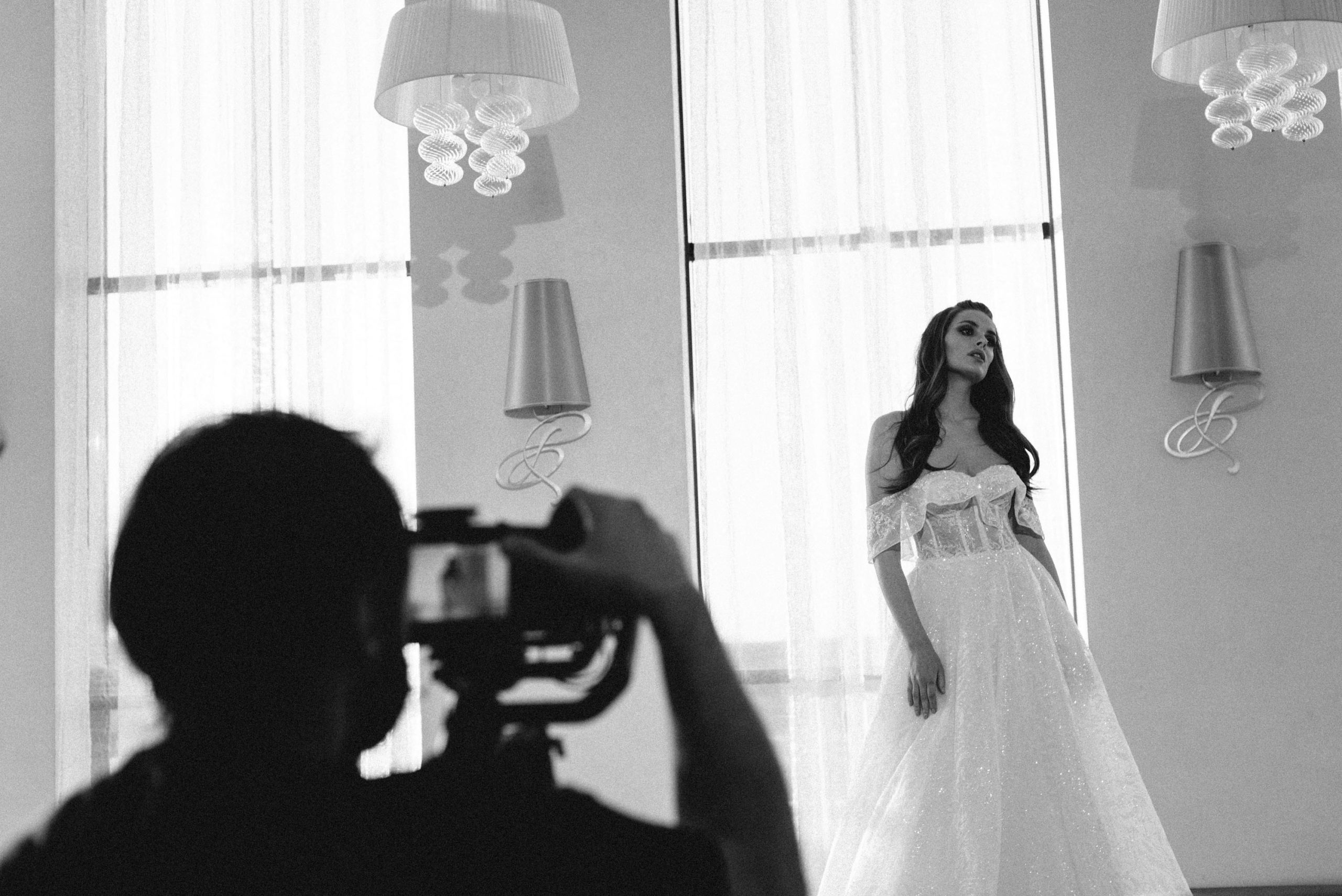
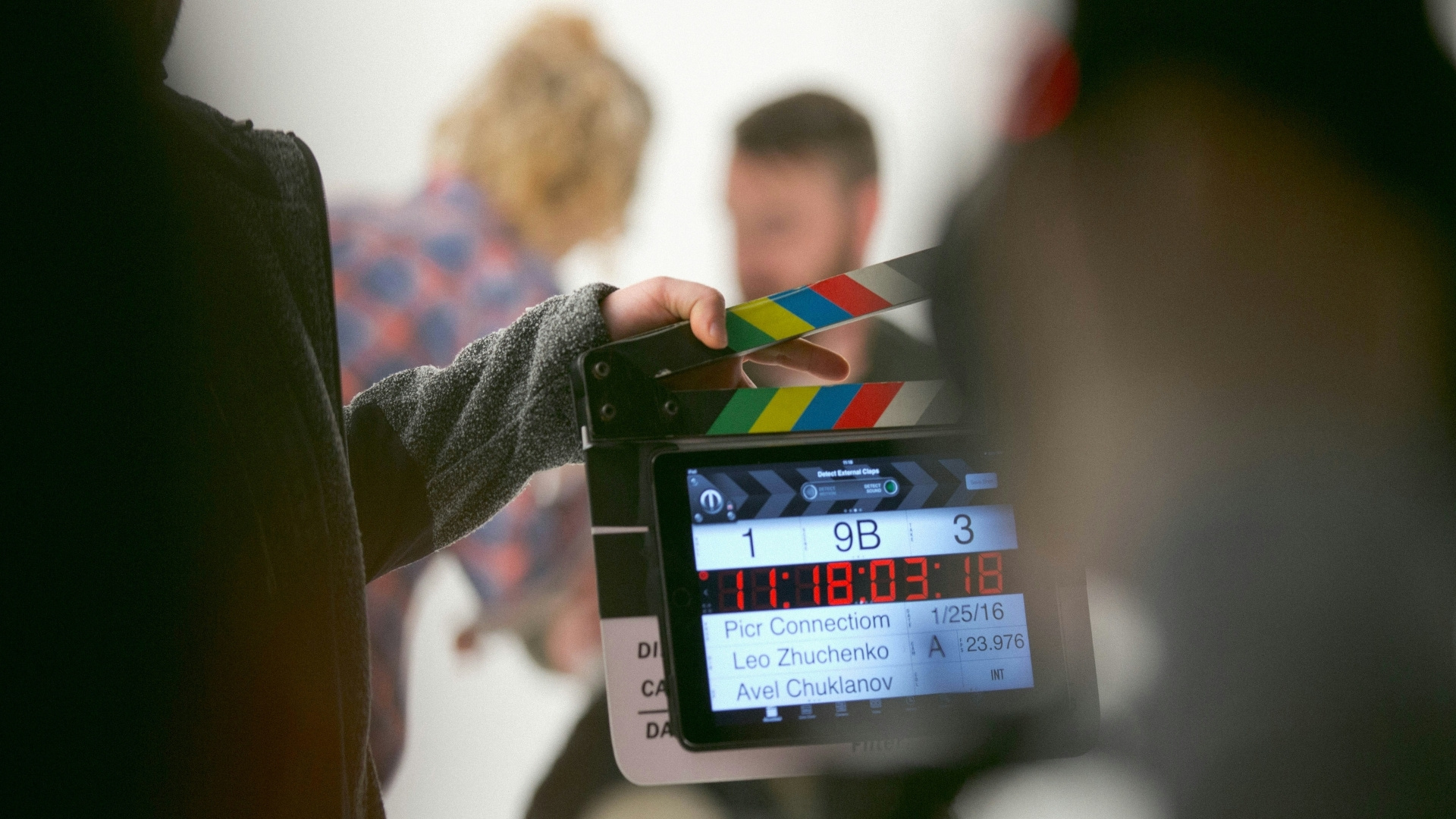
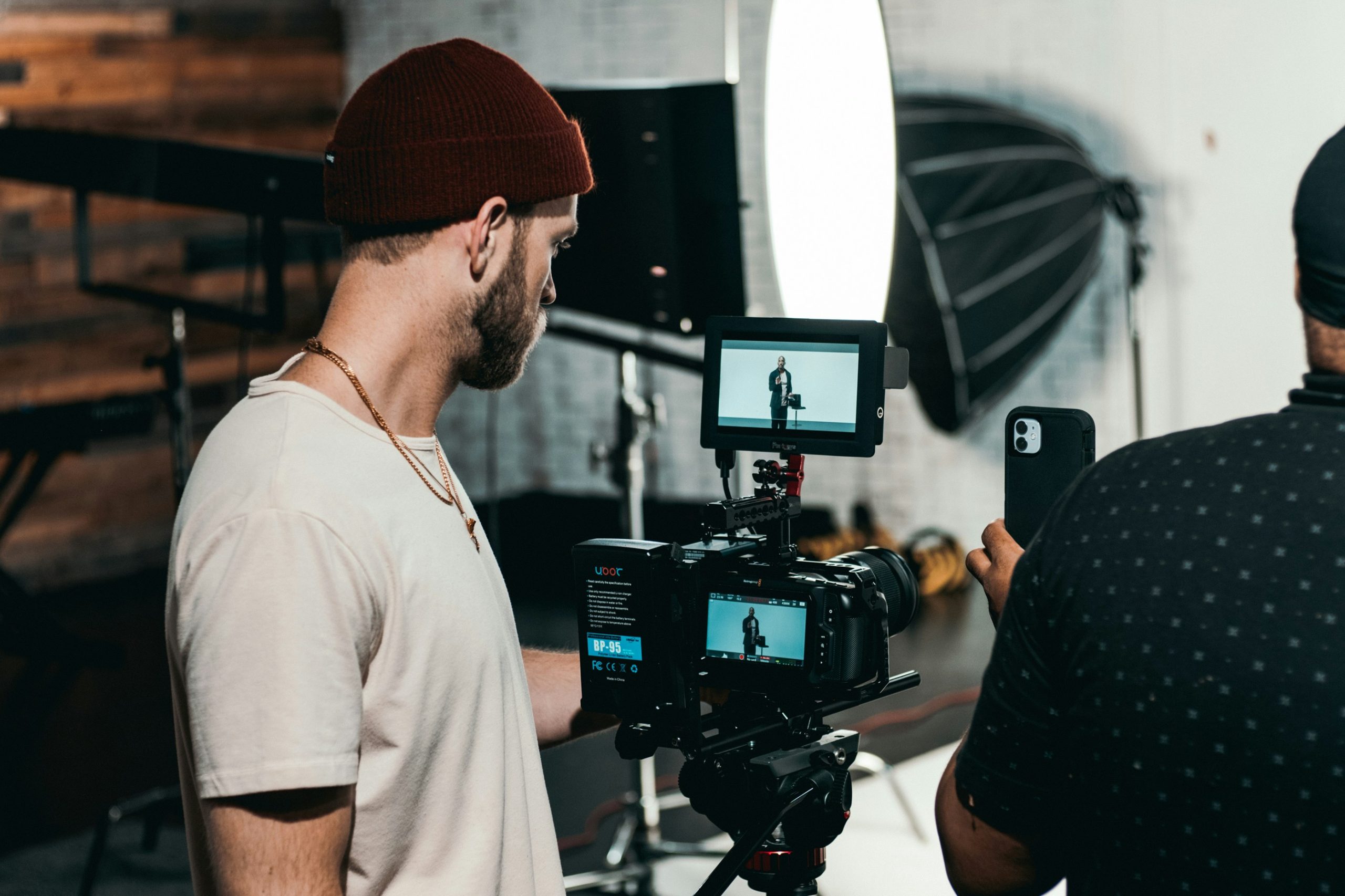
Fashion video production in London is a crowded field, so choosing the right agency comes down to fit rather than reputation alone. Pick the team whose showreel matches your segment, whose questions show they understand your brand, and whose process is deliberate rather than rushed.
London has no shortage of people with a camera. The harder task is finding a partner who can hold a premium look under real deadlines, who knows the difference between a streetwear drop and a luxury campaign, and who will tell you the truth about what a budget can and cannot buy. Here is how to judge that before you commit.
What to look for in a fashion video agency
Start with taste and consistency. A strong fashion videographer in London should show a body of work that looks intentional across projects, not one lucky film surrounded by filler. Look at how they handle movement, light on fabric, skin tones and pace, since these are the details that separate broadcast-quality fashion film from content that merely fills a feed.
Then look at how they work. The best agencies are calm and organised. They plan the shoot, protect the schedule and communicate clearly, because a fashion set has many moving parts and little room for drift. A team that treats pre-production as an afterthought will cost you more in the edit and in reshoots than they save on the quote.
Matching the agency to your segment
Fashion is not one market, and the skills do not transfer as neatly as portfolios suggest. A team that excels at high-energy streetwear may not have the restraint a luxury house needs, and a luxury specialist may over-polish a brand that wants raw and immediate.
- Streetwear and youth brands reward pace, culture and a sense of the street. The right agency understands music, casting and edit rhythm, and can make a drop feel like an event.
- Luxury fashion asks for control and quiet confidence. Every frame is considered, the lighting is exact, and nothing feels hurried.
- E-commerce and retail need volume without losing quality, so the team must be efficient and consistent across many product films.
Ask an agency where their work sits, and be wary of anyone who claims to be equally strong at all three. If your brand sits close to jewellery or accessories, a specialist in jewellery videography will understand the macro detail and reflective surfaces that general fashion crews often struggle with.
How to read a fashion showreel or portfolio
A showreel is edited to impress, so read it with care. Watch full films rather than only the reel, because a highlight cut hides pacing problems and weak middles. Notice whether the lighting is deliberate or simply bright, whether the grade is consistent, and whether the camera moves with purpose or just moves.
Look for range within a lane. Several strong luxury films tell you more than one example of everything. Check that the work was actually made by the team you will hire, not a freelancer who has since moved on. And look at recent work, since taste and technique date quickly in fashion. Our own recent video work is a useful example of what to look for: full pieces, consistent finish and a clear point of view.
Questions to ask before you book
A short, direct conversation reveals more than any pitch deck. Ask who will be on set and who will edit, so you know the people, not just the brand. Ask how they handle a shoot that runs behind, since that answer shows their temperament under pressure. Ask what they need from you to protect the schedule, which tells you whether they plan properly.
Then get specific about deliverables. How many finished films, in which formats and sizes, and how many rounds of revision are included. Ask about model and usage rights, and who is responsible for clearing them, because unclear rights cause the most expensive problems after delivery. A serious agency will welcome these questions and answer them plainly.
Red flags
Some warning signs are easy to miss in the excitement of planning a shoot. Be cautious of a quote with no detail, since a single figure with no breakdown usually hides assumptions that surface later as extras. Be cautious of a team that promises an unrealistic turnaround, because premium finish takes time and anyone who says otherwise is planning to cut a corner you will notice.
Other flags include a portfolio that looks borrowed rather than owned, vague answers about who actually does the work, and reluctance to put terms in writing. A partner who says a fast, cheap, premium film is all possible at once is telling you they do not respect the craft. The right London agency is honest about trade-offs, protective of quality, and clear that they do not offer rushed clips dressed up as strategy. Choose that, and the shoot tends to look after itself.
Frequently asked questions
How much does fashion video production in London cost?
Cost depends on the number of shoot days, cast and locations, and how many finished films you need. Rather than a single figure, a good agency gives an itemised proposal so you can see where the budget goes and adjust the scope with confidence.
What is the difference between e-commerce and campaign work?
E-commerce video is about consistent volume, with many clean product films made efficiently. Campaign work is about a single strong idea and a premium finish. They need different planning, and often different budgets, so it helps to be clear which you are commissioning.
How long does a fashion video take to turn around?
A considered fashion film usually runs across a few weeks from brief to final delivery, allowing time for planning, the shoot and a proper edit. Beware anyone promising broadcast-quality work overnight, since premium finish cannot be rushed.
Who owns the model and usage rights?
Rights should be agreed in writing before the shoot. Usage terms for models, music and locations affect where and how long you can run a film, so confirm who clears them and what territories and durations are included.
Should we hire a specialist or a generalist?
For premium work, choose a team whose showreel matches your segment, whether that is streetwear, luxury or e-commerce. A specialist who knows your market will make sharper creative decisions than a generalist covering every style at once.