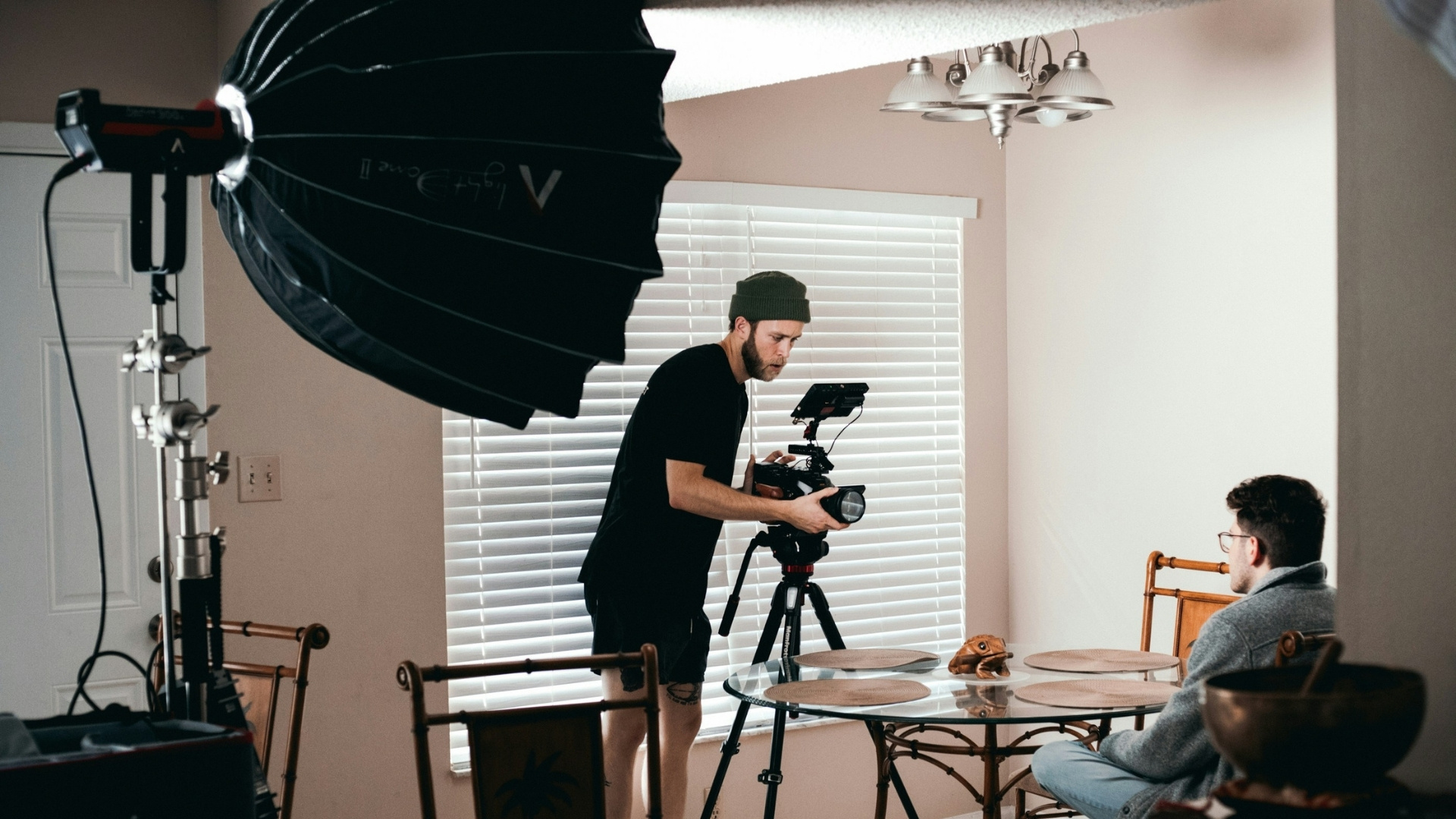
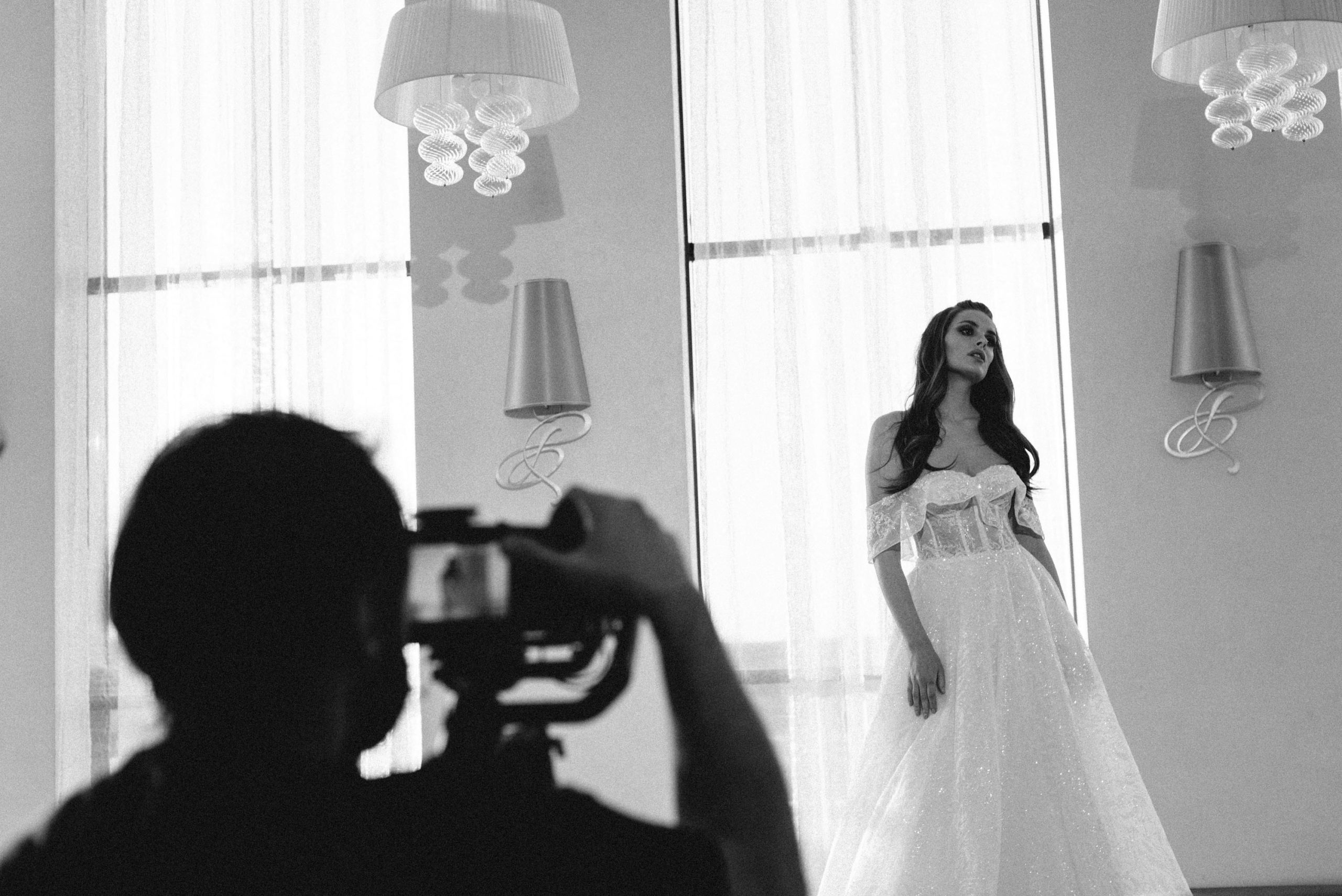
University video marketing is the use of film to recruit students, explain a place and build a reputation that lasts beyond a single admissions cycle. The student recruitment films that work share one quality above all: they show honest, specific life on campus rather than a polished brochure read aloud over stock footage.
Prospective students are careful buyers. They compare, they screenshot, they ask current students what a place is really like. A recruitment film that feels staged will be dismissed in seconds. One that feels true, and looks broadcast-quality while doing it, does more for an open day conversion rate than any amount of paid reach.
Why universities need video
Choosing a university is a large, emotional decision made largely online. Most applicants form a shortlist before they ever set foot on campus, and video is how they picture themselves there. It carries tone, atmosphere and the feel of a place in a way that a prospectus page cannot.
Video also works across the whole funnel. A short film builds awareness on social. A longer piece supports the considered stage, when a student is weighing two or three offers. An open day film keeps momentum after a visit. Treating these as one connected programme, rather than a set of one-off requests, is what makes the investment pay back. You can see the range of formats in our recent video work.
Types of university video
Most institutions need a small, deliberate set rather than one film that tries to do everything.
- Recruitment films introduce the university and its character, usually through students and staff speaking for themselves.
- Open day videos prepare visitors before they arrive and extend the visit afterwards, so the day keeps working once everyone has gone home.
- Prospectus and course videos give depth on a subject, the teaching and the outcomes, for students who are close to deciding.
- Alumni and impact films show where a degree leads, which reassures both applicants and their families.
Filming several of these across the same shoot days keeps the visual language consistent and the cost sensible, while giving each audience a piece made for them.
What makes a student recruitment film work
The strongest recruitment films are specific. They resist the temptation to say a place is welcoming and instead show a moment that proves it. They let real students talk, including the small honest details that a scripted actor would never think to mention. That specificity is what makes a viewer trust the rest.
Structure matters as much as content. Open with something that earns attention in the first few seconds, since most viewing starts on a phone with the sound off for the opening moment. Build around one clear idea about the university rather than a list of features. Keep the run time honest to the platform. This is considered work, and we do not offer rushed clips that look like every other campus reel. Our film for Emmanuel College shows how a single, well-told story can carry the character of an institution better than a montage of facilities.
Filming on campus
Campuses are busy, shared spaces, so planning is the difference between a calm shoot and a stressful one. Permissions come first. We agree locations, dates and access with your estates and communications teams well ahead, and we work around teaching so lectures and study are never disturbed.
Timing around the academic calendar is its own craft. A campus in full term looks alive, which is exactly what a recruitment film needs, but term is also when students and staff are busiest. Filming out of term gives a quieter set and easier access, at the cost of atmosphere. We usually plan a mix, capturing lively real scenes during term and controlled pieces when the campus is calmer.
Consent is not optional. Anyone who features clearly on camera signs a release, and we are careful with under-eighteens at open days and with anyone who would rather not appear. Handling this properly protects the university and puts contributors at ease, which shows in the footage. For the wider picture of how we plan and deliver a university project, our approach to video production for universities in Cambridge sets out what to expect.
Measuring results
Marketing teams are rightly asked to prove value, and video can be measured if you decide what matters before you publish. View count on its own says little. More telling are watch-through rate, which shows whether the story holds, and the actions that follow, such as prospectus downloads, open day sign-ups and application starts from pages where the film sits.
Set a simple baseline first, then compare like for like across a cycle. A recruitment film placed on a course page can lift enquiries from that page, and an open day film can raise both attendance and post-visit applications. Agreeing these measures at the brief stage keeps everyone focused on outcomes rather than vanity numbers, and it makes the case for the next commission far easier to argue.
Done with care, university video marketing is not a cost that recurs each year with little to show. It is a library of honest, broadcast-quality films that keep recruiting long after the shoot, and that make a place feel knowable to the students who will call it home.
Frequently asked questions
Do students need to give consent to appear?
Yes. Anyone who features clearly on camera signs a release form, and we take particular care with under-eighteens at open days. Handling consent properly protects the university and helps contributors relax, which improves the footage.
When is the best time to film on campus?
Term time looks lively and suits recruitment films, but it is also the busiest period. Out of term offers easier access and a calmer set with less atmosphere. We usually plan a mix, capturing real scenes in term and controlled pieces when the campus is quieter.
How much does a university video cost?
Cost depends on shoot days, the number of films and the level of finish. Filming several pieces across the same days keeps it efficient. We scope each project to your goals and provide an itemised proposal before any work starts.
How should we distribute a recruitment film?
Match the cut to the platform. Short vertical versions suit social feeds, while a longer landscape film supports course pages, open day emails and offer-holder communications. Planning distribution at the brief stage shapes how we shoot and edit.
How long does a university video take to produce?
Most projects run across several weeks from brief to delivery, planned around the academic calendar and your review stages. We share a schedule at the outset so every milestone is agreed in advance.