

Why Production Matters
Quality control
Consistent image, lighting and sound standards so footage is ready for post without rescue work.
Speed & predictability
Tight scheduling, clear decision points and controlled environments mean more coverage in less time.
Risk & brand protection
Proper permissions, safety measures and data security prevent costly setbacks and reputational issues.
Permissions & access
Private property needs approval. Filming inside colleges, retail/fashion stores, shopping centres, stations and private estates requires written permission and/or fees. We obtain approval before cameras roll.
Public spaces & tripods. Many UK councils require a quick notification or permit for tripods or controlled filming on pavements/roads. We handle this by contacting the relevant film office/council in advance.
Releases & Privacy
Talent/model release: a simple consent form confirming the person agrees to appear and how the footage can be used (web, social, ads, duration, territories).
Why it matters: Without approvals, filming can be stopped, fines issued and footage rendered unusable.
Transport, parking & London logistics
Charges & zones
We plan for ULEZ and congestion charging where applicable and itemise these transparently.
Load‑in/out
For tight city locations without dedicated parking, we pre‑plan nearby drop‑off points and short‑stay car parks, and use Uber/taxi vans or a hired driver to shuttle lighting and cases door‑to‑door.
Why it matters
Thought‑through logistics keep the day moving and avoid enforcement delays.
Location control (disciplined, low impact)
Recce essentials
Access routes, lifts/steps, holding/green room, power options, sun path/reflections, ambient noise (HVAC/traffic).
Footprint & etiquette
Tidy setup, minimal visual impact, floor protection where appropriate, and locations restored to original condition.
Cables
We keep runs as short as practical, tape or mat where suitable, and brief safe walk routes.
Sound first
Dialogue priority with boom/lavs, wind protection and room tone capture for clean, broadcast grade audio.
Lighting precision
High CRI LEDs with soft modifiers, flags and negative fill for flattering skin tones and brand true colour.
What We Use on Set
Lighting
Cinema grade LED fixtures (RGBWW hard and soft sources) for flattering skin tones and accurate colour.
Sound
Dscreet lavalier microphones for clear dialogue and interviews.
Stabilization
Solid tripod/heads and a gimbal for polished movement where appropriate.
Monitoring
Calibrated field monitor and optional client tablet for real time review. Client experience on the day
Clear timings
One page call sheet (address, arrivals, parking, contacts, shot order, weather, nearest A&E). We time box scenes and build sensible buffers.
Video village
Calibrated monitor/headphones for real time review without crowding camera.
Decision points
Pre agreed review moments keep momentum and prevent back and forth later.
Safety & Compliance
Public liability insurance up to £2 million; site specific risk assessments proportionate to the activity and location.
Electrical safety
High quality, certified extension leads and distribution; RCD protection on mains; tidy cable runs with tape/mats where suitable.
Walkways & stands
Cable guards/sandbags in public facing areas and clear safe walk routes.
Boundaries
Specialist activities (drones, vehicle rigs, high rigs) only with qualified crew and permits.

Weather (UK reality)
Monitoring
Met Office tracking leading up to and on the day.
Wet/dry plans
Covered alternatives, rain covers and wind thresholds; diffusion/negative fill for harsh or flat light.

Data security & handover
Primary capture to professional media with a strict card management policy (labelled, write protected after recording).
Post shoot backup: Footage is backed up to secure storage upon return to base the same day; verification before edit.
On site backup available on request when the brief demands it.
What we need from you
- A single on‑site contact; access and any induction details; parking/vehicle info.
- Brand approvals on the day; products/packaging ready; quiet, tidy filming areas.
- Any time‑critical moments (VIP availability, public opening times) flagged in advance.

Extended Production Options
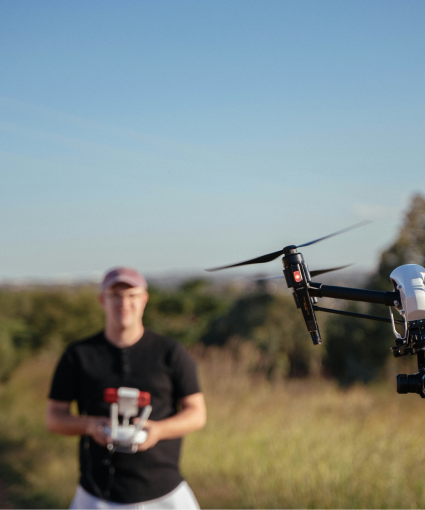
For projects that need a broader setup, we can bring in additional crew and equipment.
This includes an extra camera operator, dedicated sound recordist, gaffer with a lighting package, licensed drone or FPV, teleprompter setup, photographer, or studio hire.
For projects that need a broader setup, we can bring in additional crew and equipment.
This includes an extra camera operator, dedicated sound recordist, gaffer with a lighting package, licensed drone or FPV, teleprompter setup, photographer.
For projects that need a broader setup, we can bring in additional crew and equipment.
This includes an extra camera operator, dedicated sound recordist, gaffer with a lighting package, licensed drone or FPV, teleprompter setup.
Why it matters
Your production stays efficient, and specialists are added only when they meaningfully improve quality, workflow, or safety.
8-Hour Production Day
08:00 – Arrival at Location
Meet on-site, walk through access points, check power availability, and note any restrictions.
09:00 – Location Scouting
Take reference photos and videos of potential filming areas. Assess light, space, and sound conditions.
11:00 – Camera & Audio Tests
Check how the location looks on camera, test sound levels, and identify any background noise issues.
12:30 – Lunch Break
Lunch (30–45 mins) + data checkpoint.
13:15 – Shot Planning
Map out angles, movements, and key positions Decide where interviews or hero shots will work best.
15:00 – Logistics Check
Plan crew setup areas, equipment storage, parking, and backup power. Confirm internet/connectivity if needed.
16:00 – Final Notes & Adjustments
Highlight potential challenges (lighting changes, noise times, access issues). Suggest solutions.
17:00 – Wrap Up
Leave with a full set of notes, reference images, and a clear plan for shoot day
08:00 – Arrival at Location
Meet on-site, walk through access points, check power availability, and note any restrictions.

09:00 – Location Scouting
Take reference photos and videos of potential filming areas. Assess light, space, and sound conditions.
09:00 – Location Scouting
Take reference videos of potential filming areas. Assess light, space, and sound conditions.
11:00 – Camera & Audio Tests
Check how the location looks on camera, test sound levels, and identify any background noise issues.
12:30 – Lunch Break
Lunch (30–45 mins) + data checkpoint.
13:15 – Shot Planning
Map out angles, movements, and key positions Decide where interviews or hero shots will work best.
15:00 – Logistics Check
Plan crew setup areas, equipment storage, parking, and backup power. Confirm internet/connectivity if needed.
16:00 – Final Notes & Adjustments
Highlight potential challenges (lighting changes, noise times, access issues). Suggest solutions.
17:00 – Wrap Up
Leave with a full set of notes, reference images, and a clear plan for shoot day